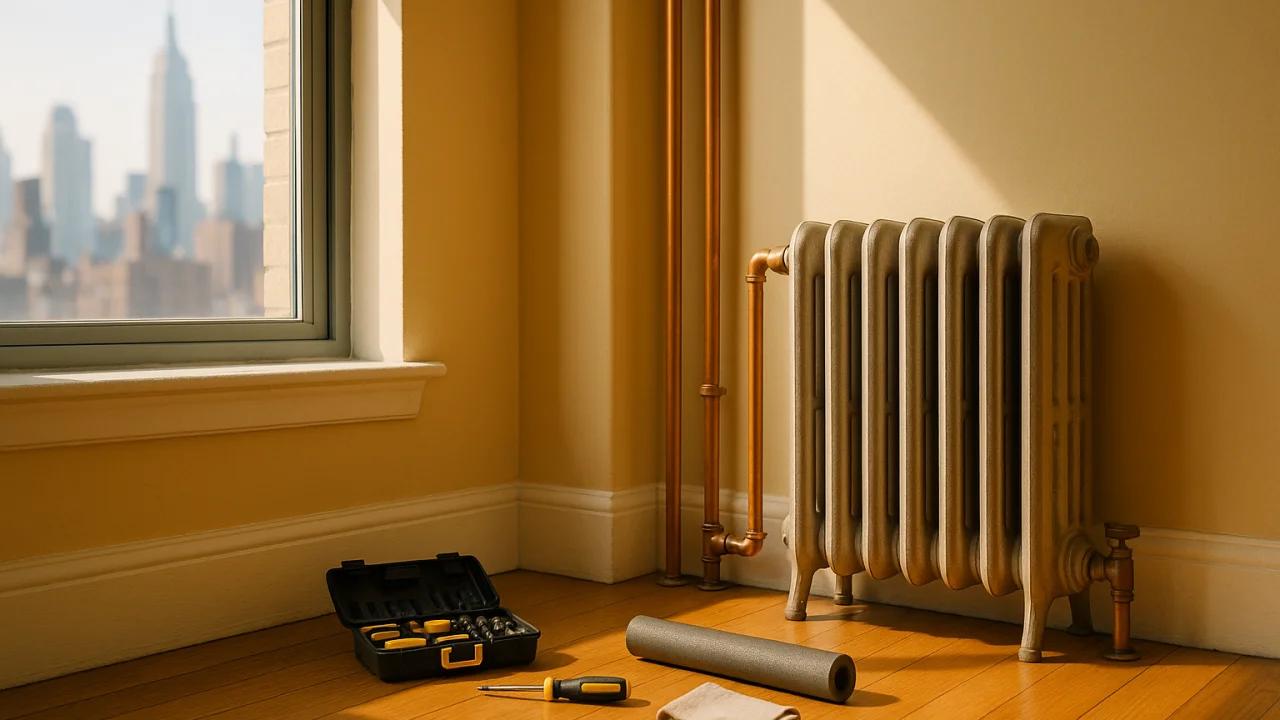
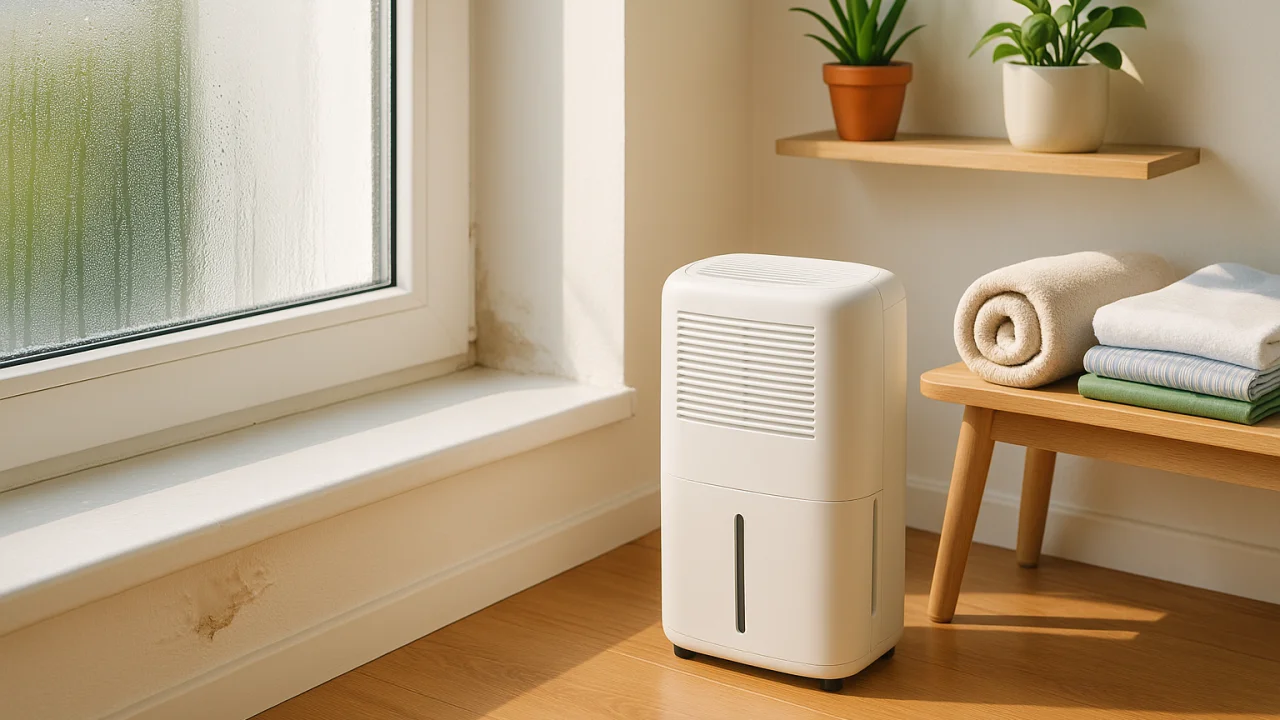
Moisture shows up quickly in New York apartments: humid summers, steamy winters, and older framing and windows all make it easy for condensation and mold to form. Left unchecked, dampness damages finishes and can harm health. This guide walks through how to spot problems early, practical fixes you can do yourself, and the right time to involve building management or a mold remediation professional.
How to spot a moisture problem
- Visible black, green, or white patches on walls, ceiling joints, window sills or behind cabinets.
- A persistent musty smell even after cleaning.
- Condensation on windows or piping, repeat wet spots after showers or cooking.
- Peeling paint, bubbling wallpaper, or discolored grout/caulk.
- Allergic symptoms that improve when you leave the apartment.
Immediate steps you can take
- Dry wet areas right away. Wipe condensation, hang towels to dry in a ventilated spot, and remove any soggy materials (cardboard, rugs) that trap moisture.
- Increase air circulation: open windows briefly on dry days, run fans, and avoid blocking vents.
- Use exhaust fans when showering or cooking. If your apartment lacks one, run a portable fan toward an open window for 10–15 minutes after activities that produce steam.
- Keep interior doors open to allow cross-ventilation between rooms.
Room-by-room practical fixes
- Bathroom: Install or repair an exhaust fan. Replace water-damaged caulk and grout. Use a squeegee on tile walls after showering and hang towels to dry outside the bathroom when possible.
- Kitchen: Use the range hood when cooking and cover pots. Avoid long indoor simmering. Dry and clean spills immediately and check under sinks for leaks.
- Windows & walls: Wipe condensation daily during cold snaps. Add insulating window film or thicker curtains to reduce surface condensation. Use silica packs or small dehumidifiers for problem window wells.
- Closets & wardrobes: Don’t store damp clothing or cardboard. Use breathable garment bags and place moisture absorbers on closet shelves.
Dehumidifiers, heaters, and HVAC considerations
In many NYC units a small dehumidifier (10–30 pint capacity) makes a big difference in basements, bathrooms, or kitchens. Be mindful of drainage and noise. Central HVAC and window AC units can help control humidity when used properly, but some AC models may create condensation issues if clogged or improperly installed. Replace filters and service units annually.
When to involve building management
- If leaks come from neighboring units, exterior walls, or building plumbing.
- When you find recurring mold in baseboards, ceiling corners, or under built-in cabinetry—these can signal building-level moisture or ventilation problems.
- If common-area issues (roof leaks, clogged roof drains, or shared ventilation) are the likely source.
When to hire a pro
- Visible mold covering more than a small patch (roughly larger than a sheet of paper).
- Mold in HVAC systems, behind walls, or under floorboards that requires removal of building materials.
- After a major leak or flood—call a water-damage restoration specialist to dry and assess the structure.
Choosing a remediation or repair contractor
- Ask for references and examples of prior NYC work. Confirm they follow containment and safe disposal practices.
- Request a clear scope and a written estimate that separates repair, cleanup, and testing costs.
- For serious issues, consider a post-remediation inspection to verify successful drying and removal.
Practical routine checklist
- Weekly: Wipe window condensation and inspect shower grout/caulk.
- Monthly: Check under sinks and behind appliances for leaks; replace HVAC/AC filters as needed.
- Seasonally: Run a dehumidifier during humid months, service exhaust fans, and inspect attic/roof access if you have top-floor concerns.
Moisture and mold are part of city living, but proactive habits and prompt action keep them manageable. If you suspect building-level issues or significant mold growth, document the problem with photos, notify management in writing, and move quickly to bring in qualified help when needed.