In New York City a one-off job can feel like a lottery ticket: a single visit that either ends there or opens a steady stream of work. For local service businesses—plumbers, HVAC techs, cleaners, handypersons, pest pros—turning that first appointment into ongoing revenue is less about luck and more about systems that build trust quickly.
Below are practical, field-tested strategies you can apply on your next first visit. Each step considers NYC realities: restricted access, tight timing, doorman rules, noise limits, and customers who are short on time and patience.
1. Set expectations before you arrive
- Send a confirmation message with a 30-minute window, technician name, and basic tools to expect. Clarity reduces no-shows and friction with doormen or building staff.
- Include quick notes about entry: elevator codes, superintendent contact, or preferred staircase access for brownstones.
2. Use a short, professional intro that builds trust
- Start with a one-line credential: years in neighborhood, license number on file, or building insurance details. Keep it factual and calm.
- Offer to show ID and proof of insurance immediately—many NYC clients value this more than a sales pitch.
3. Diagnose fast, explain clearly, and document visually
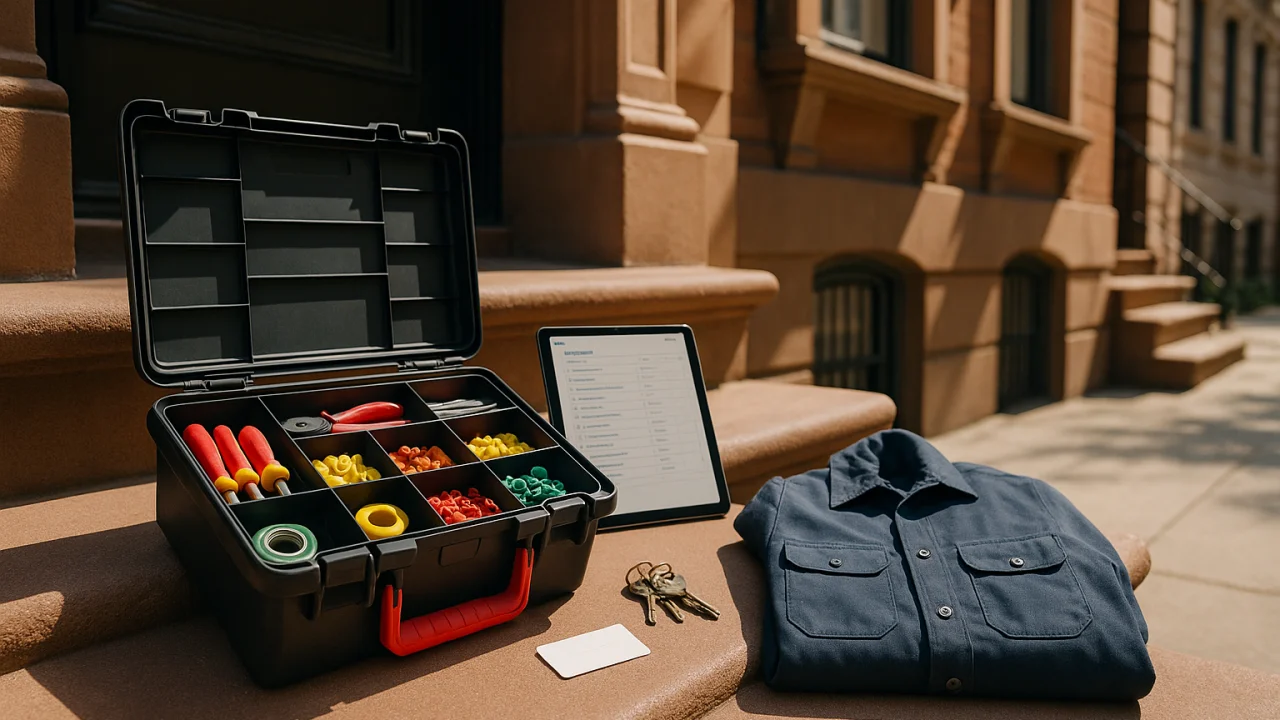
- Use a digital checklist on your tablet or phone to guide the diagnosis. Checklists reduce errors and make explanations concise.
- Take before-and-after photos (with consent). Photos are powerful proof and make follow-up communication easy.
4. Present options, not just a price
- Offer two or three clear options: do the minimal fix now, provide a long-term repair, or a maintenance plan. Frame each with cost, timeline, and benefits.
- Avoid long technical monologues. Use short, plain-language comparisons the client can digest while balancing work and city noise.
5. Make payment and paperwork painless
- Accept multiple payment types onsite (card, contactless) and offer an emailed receipt. NYC customers expect speed and convenience.
- Provide a simple written guarantee or service summary. Physical or emailed documents make you look professional and reduce later disputes.
6. Create a predictable follow-up sequence
- Send a thank-you message within 24 hours with before-and-after photos, the work performed, and a short care tip. This keeps you top of mind.
- Schedule a follow-up reminder (maintenance, filter change, seasonal tune-up) while still on site. A scheduled appointment converts better than a voicemail reminder weeks later.
7. Turn satisfaction into referrals and reviews—gently
- Ask for a review or referral only after confirming the client is satisfied. Use a one-click link or a QR code on the receipt for convenience.
- Offer a small, neighborhood-appropriate incentive for referrals—discount on the next visit or a free add-on—rather than steep coupons that devalue your work.
8. Leave a physical reminder
- Leave a compact, branded card that lists your contact, license, and a QR code for rebooking. Make it sturdy and simple—doorman or super can keep it for residents who don’t handle mail often.
9. Train your team on NYC-specific etiquette
- Role-play common building scenarios: managing noisy work in a landmark building, coordinating with doormen, or working around pets (if present). Consistency builds reputation faster than individual charm.
10. Measure and iterate
- Track conversion from first visit to second appointment, repeat revenue, and referral sources. Small process tweaks—shorter confirmation windows, a different photo style, a new wording for follow-ups—add up fast.
In NYC, reliability and professionalism are as valuable as price. A smooth, documented first visit reduces friction, builds trust, and creates natural opportunities to offer more services. Focus on clear communication, convenient payment and follow-up, and neighborhood-aware details; your one-off jobs will begin to look a lot like steady work.