Living in New York usually means making a little go a long way. Whether you’re in a studio, a classic prewar walk-up or a newer micro-unit, smart storage transforms a cramped-feeling space into something calm and usable. This guide focuses on practical, realistic strategies—what to buy, what to build, what requires permission, and what to leave to a pro.
Start by measuring and sorting. Before buying anything, measure closets, alcoves, and the distance from floor to ceiling. Sort possessions into three piles: keep, donate/sell, and store off-site. Small apartments reward ruthless editing: two pairs of shoes that never leave close reach still take room.
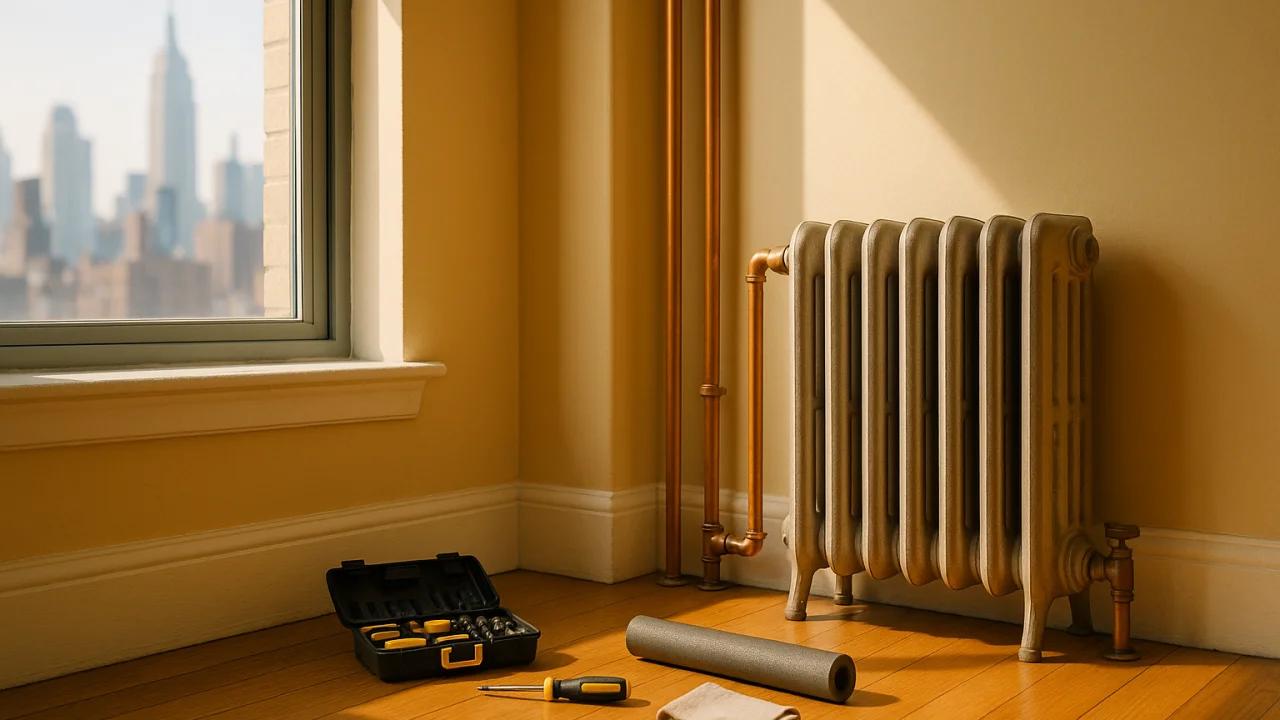
Use vertical space. Walls are often underused. Add floating shelves or a narrow bookcase above radiators and behind doors. Tall, slim storage units take up little floor area while offering substantial capacity. For items you access rarely—seasonal gear, holiday decorations—place labeled bins on the highest shelves.
Make every piece pull double duty. Multiuse furniture is essential in compact apartments:
- Storage beds with drawers or lift-up platforms free up closet space.
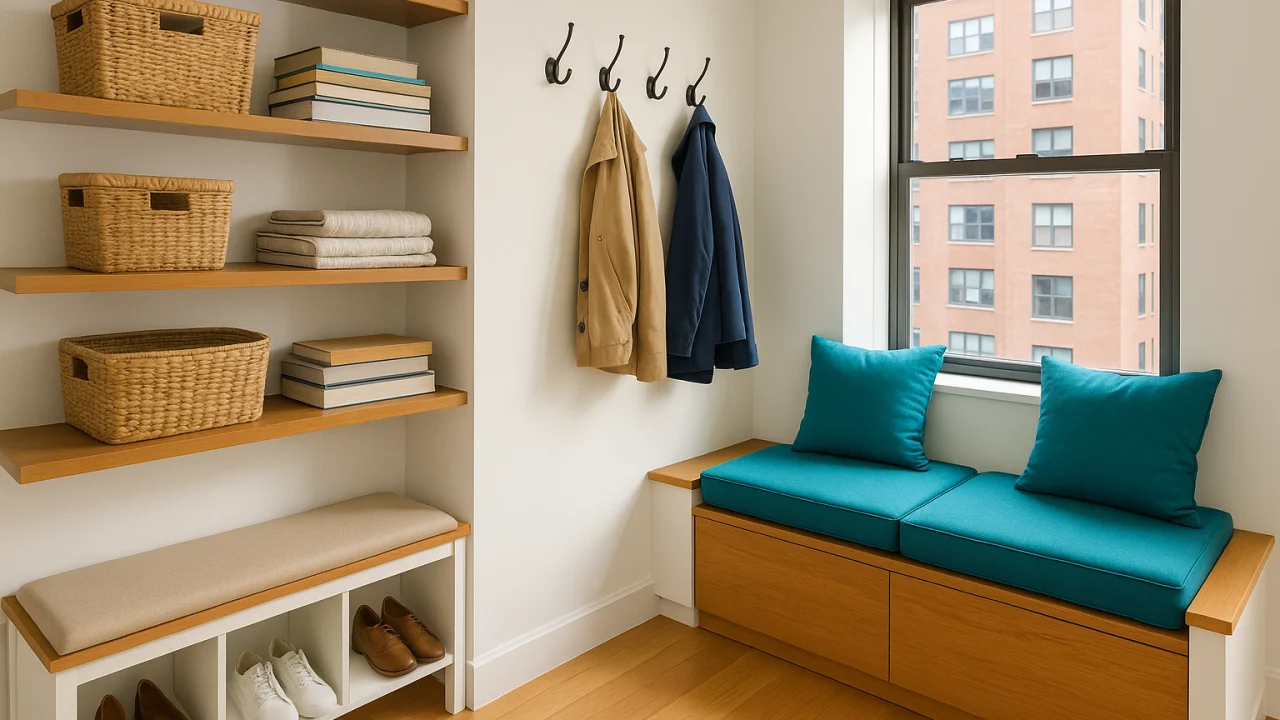
- Benches or window seats with hidden lids create seating and storage.
- Fold-down desks and wall-mounted tables keep the floor open when not in use.
- Sofa beds and ottomans with internal compartments combine function and form.
Custom built-ins where they matter. Built-in cabinetry and shelving can be transformative in awkward nooks and alcoves. Common high-impact spots in NYC units include entryways, above washer/dryer closets, and under lofted beds. If you rent, removable or freestanding built-ins mimic the look without altering the unit permanently.
Entryway intelligence. Hallways and foyers are often tiny but crucial for daily flow. Use narrow shoe cabinets, wall-mounted mail organizers, magnetic key strips, and a small bench with cubbies underneath. Hooks at varying heights keep coats, bags and umbrellas accessible without cluttering the floor.
Kitchen and bathroom micro-storage. Kitchens in the city are famously small—opt for vertical pantry shelving, pull-out spice racks, and magnetic knife strips. In bathrooms, use mirrored medicine cabinets, over-the-door towel racks, and stacked baskets to maximize capacity without blocking light.
Under-bed, over-door and hidden spaces. Don’t ignore the space beneath beds, sofas, and cabinets. Low-profile rolling drawers or vacuum-seal bags are great for linens and off-season clothing. Above-door shelves take advantage of overlooked headroom for lighter items.
What requires approvals in NYC. If you own your unit, check co-op/condo bylaws and your building superintendent before installing anything that alters walls, plumbing, or electrical systems. Structural changes, gas or electrical work and window replacements typically need permits and licensed contractors. Renters should get written landlord approval for anything permanent; many landlords will accept bracketed shelving or freestanding built-ins that can be removed.
DIY vs hiring a pro. Small projects—adding hooks, installing floating shelves, or building simple crates—are often DIY-friendly. Custom cabinetry, structural tweaks, and work requiring new wiring or plumbing should go to licensed tradespeople. When hiring, ask for references, written estimates and confirmation that contractors are insured and registered for NYC work.
Seasonal rotation and maintenance. Rotate seasonal clothes and swap bulky winter items for light summer gear. Keep a small toolkit and basic adhesives on hand for quick repairs. Declutter quarterly to avoid accumulation; a one-hour monthly tidy beats weekend-long purges.
Small changes, big impact. Often the most effective upgrades are inexpensive: better hooks, a single well-placed shelf, or new drawer organizers. Plan for flow—think of storage as part of how you live in the space, not just where you hide things. With a few smart choices, even the smallest NYC apartment can feel organized, airy and functional.
Quick checklist:
- Measure walls, closets and vertical space.
- Edit belongings into keep/donate/store piles.
- Prioritize multiuse furniture and vertical storage.
- Confirm approvals for permanent alterations.
- DIY small installs; hire licensed pros for structural or utility work.
- Rotate seasonally and declutter quarterly.