Why New Yorkers are considering ductless mini-splits
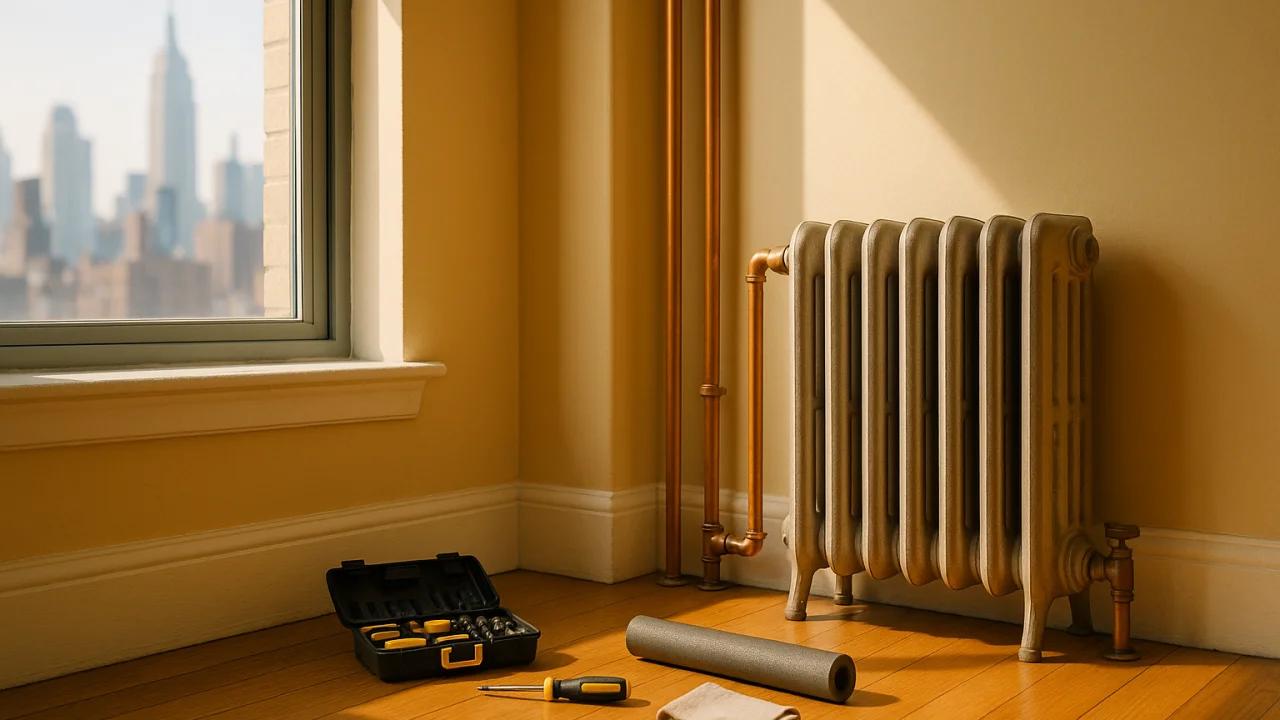
Many NYC apartments lack central HVAC or have inefficient window units and old radiators. Ductless mini-splits (also called wall‑mounted inverter split systems) offer zoned heating and cooling with better efficiency and less visual clutter. Before you decide, it helps to understand the building, permit and installation realities unique to the city.
How a ductless mini-split works — quick overview
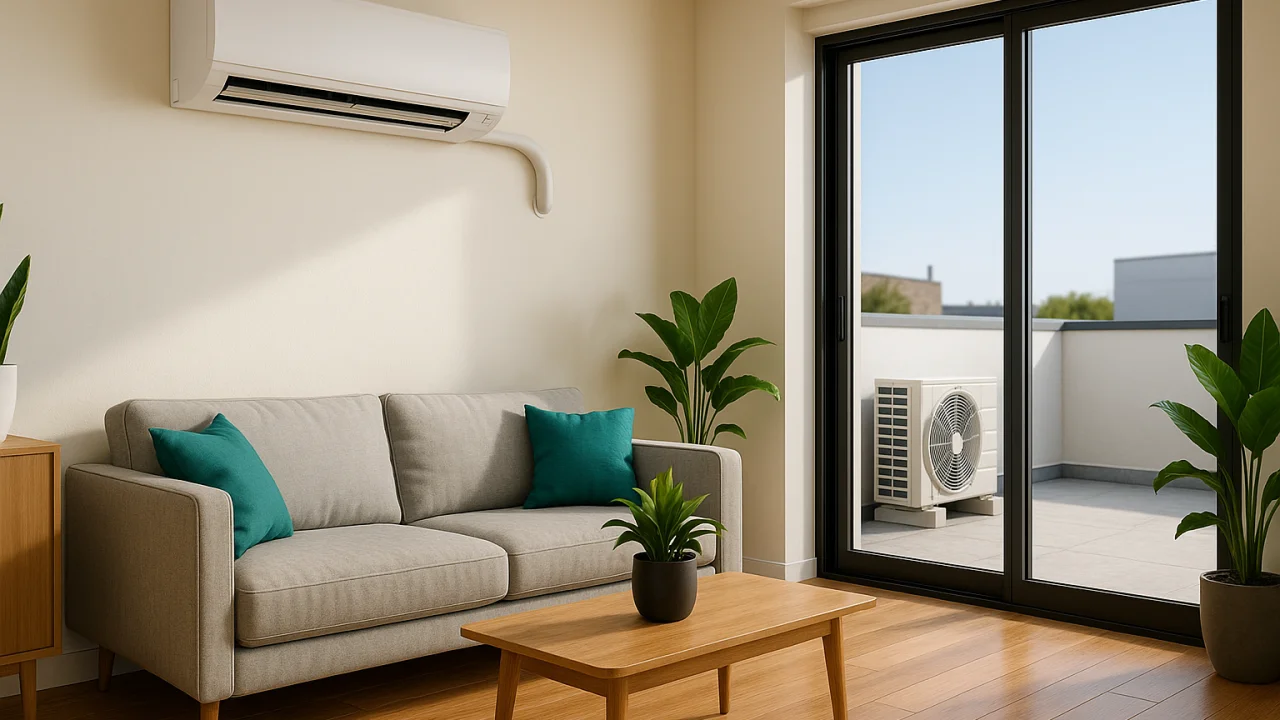
One or more indoor evaporator units connect to a single outdoor condenser via small refrigerant lines through a 3"–4" wall sleeve. Each indoor unit has its own thermostat control, so you can heat or cool rooms independently without ducts.
Is it allowed in your NYC building?
- Check your lease, co‑op or condo bylaws: many co‑ops require board approval for any exterior work (even small wall penetrations or mounting an outdoor unit).
- Landmarked buildings and historic districts have strict facade rules — exterior equipment placement and visible piping runs can be prohibited.
- Condo management or building superintendents may have vendor lists or preferred contractors; still insist on getting multiple bids.
Permits and inspections
Most installations need a DOB or local building department permit and may require an electrical permit for new circuits. Professional installers typically pull permits, but confirm that the quote includes permit fees and inspections. Improper or permitless work can complicate future sales or result in fines.
Where the outdoor unit goes
- Options include rooftop, fire escape (subject to safety rules), balcony, or a ground/yard pad for low floors—each has pros and cons for noise, access and visibility.
- Rooftop or balcony placement may require crane access or careful lifting; factor that into cost and scheduling.
- Condensers need airflow and vibration isolation; installers should use anti‑vibration mounts and a drip plan for condensation.
Noise, vibration and neighbors
Modern mini-split condensers are quieter than older HVAC compressors, but noise can still travel in dense buildings. Ask installers for decibel (dB) specs, ask about low‑noise models, and insist on rubber or spring mounts to reduce transmitted vibration through masonry or metal structures.
Electrical and heating considerations
- Units require a dedicated circuit; older NYC apartments may need electrical upgrades or a new breaker space.
- If replacing electric resistance heating, mini-splits can save energy. If your building provides central heat or has steam radiators, check whether supplemental electric heat affects building policies or metering.
Installation timeline and disruption
Expect 1–3 days for a single indoor unit if wall access is straightforward. More units, difficult exterior access, or additional electrical work can extend the project. Prepare for drilling, a small exterior hole, and temporary dust and noise. Good installers will protect floors and clean up daily.
Maintenance and longevity
Regular filter cleaning and annual professional service keep systems efficient. Condensers typically last 10–15 years with proper care. Keep outdoor units free of snow and debris in winter and ensure condensate lines drain properly.
Costs and financing considerations
Costs vary by brand, number of zones, and complexity. In NYC expect a wide range—budget for equipment, electrical upgrades, permits, possible crane/lift fees, and any building‑required remediation. Ask for a written estimate with a clear scope and payment schedule.
Questions to ask any installer
- Do you pull all required permits and schedule inspections?
- Can you provide references from NYC installations in similar buildings?
- Where exactly will the outdoor unit be sited, and how will you reduce noise and vibration?
- What electrical upgrades are needed, and is that included in the quote?
- What warranty covers parts and labor, and what annual maintenance do you recommend?
Alternatives and when a mini-split might not be right
If your co‑op or landlord forbids exterior units, or if facade access would be visibly intrusive, alternatives include high‑efficiency through‑the‑wall units, improved window ACs with draft sealing, or portable heat pump units (less efficient). For whole‑building solutions, discuss central upgrades with building management.
Final practical checklist before you commit
- Confirm board/landlord approval in writing.
- Obtain and compare at least two detailed quotes that include permits and electrical work.
- Ask about noise specs, mounting methods and warranty details.
- Plan for access (roof, balcony, crane) and a realistic timeline.
- Budget for annual maintenance and leave room for unexpected electrical or masonry work.
For many New Yorkers, a ductless mini-split is an efficient, comfortable upgrade when installed with attention to building rules, noise control and proper permits. Do the homework up front and you’ll avoid surprises while gaining reliable year‑round climate control.