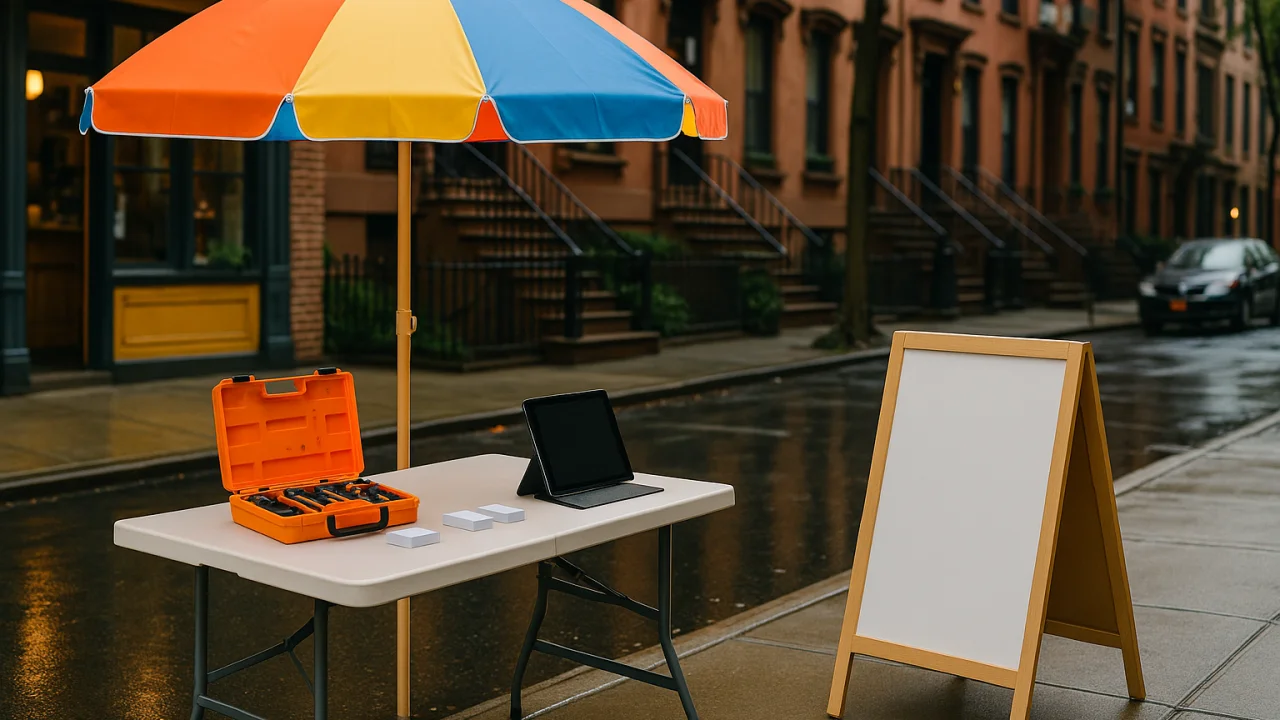
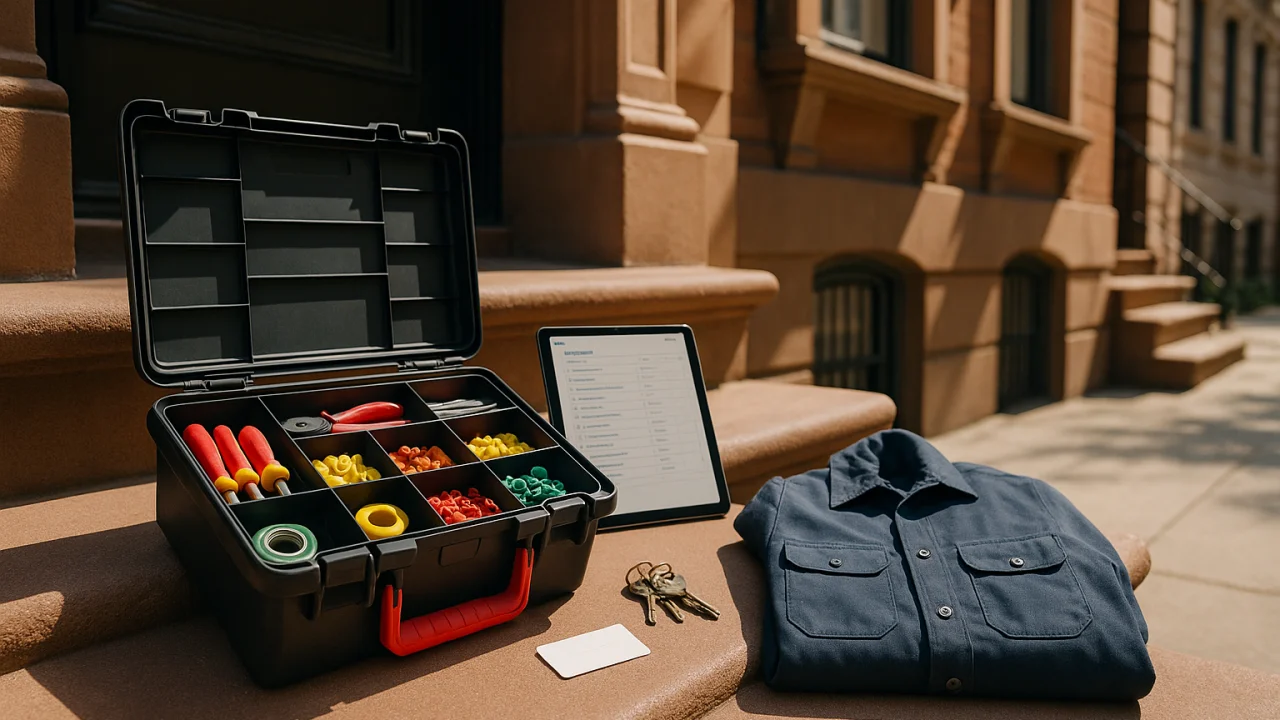
In New York, steady work is gold. For local service businesses — cleaners, handymen, HVAC techs, pest pros, and landscapers — recurring maintenance programs turn one-off jobs into predictable income. A good program reduces off-day gaps, improves route planning across boroughs, and deepens client relationships. Here’s a practical, city-ready guide to designing maintenance plans that customers find simple and valuable.
1. Pick clear targets and simple services
Start by choosing which customer groups you want to serve with subscriptions: busy renters, condo boards, landlords, or small businesses. Keep each plan focused. For example:
- Basic preventive visit: quick inspection, minor fixes, clean-up.
- Standard maintenance: includes routine cleaning, filter changes, or seasonal tune-ups.
- Priority plan: faster response, quarterly deep maintenance, and a small parts discount.
NYC buildings have varied needs — tailor frequency and scope for row houses, high-rises, and co-ops. Simplicity sells: two or three tiers with clearly listed deliverables work better than overly customized options at launch.
2. Price for predictability, not just margin
Price based on average time, travel, and materials per visit, plus a buffer for surprise work. Offer monthly or quarterly billing. For many customers, predictable monthly payments beat large, unpredictable invoices. Consider:
- Discounts for pre-paid annual plans to boost cash flow.
- Small setup or onboarding fee to cover first-visit diagnostics.
- Add-on pricing for known extras (e.g., refrigerator coil cleaning, tile resealing).
3. Make onboarding frictionless
First impressions matter in tight city schedules. Send an onboarding pack: confirmation email, a short checklist of what you’ll do, and a clear cancellation policy. Use simple forms to capture building access instructions, preferred appointment windows, and any HOA rules. Where possible, digitize signatures and payments to avoid paperbacks for busy tenants and managers.
4. Automate scheduling and route planning
Recurring visits create natural blocks for route optimization. Group appointments by neighborhood and time window to lower travel time and fuel costs. Use calendar automation to send reminders and to reschedule automatically when conflicts arise. For NYC, consider morning or evening windows that match commuter patterns and building access policies.
5. Build trust with documentation
After each visit, send a short report: what was inspected, actions taken, and photos of any issues. Visual proof is persuasive in dense properties where different vendors overlap. Keep records of recurring problems and recommended next steps; that history helps upsell meaningful repairs and supports client retention.
6. Use incentives to reduce churn
Small perks go a long way in NYC competition: a waived trip fee after a year of service, referral credits for neighbors, or a seasonal add-on at a discount. Encourage multi-unit sign-ups by offering a volume discount to landlords and property managers.
7. Track the right metrics
Measure customer lifetime value, churn rate, average revenue per account, and travel time per visit. Track common cancellation reasons and hotspots for late arrivals. Use simple dashboards to spot trends quickly and test small changes — different pricing, reminder timing, or loyalty offers — to see what reduces churn.
8. Plan for seasonal and regulatory shifts
NYC seasons bring predictable demand swings: winter heating checks, spring cleanouts, and summer cooling tune-ups. Build seasonal options into plans or run timed campaigns to get customers signed up before peak months. Also, be aware of building regulations and required permits; include clear language about access and compliance responsibilities.
9. Train teams for consistency
Standardize checklists and supplies per plan so technicians deliver the same experience every visit. Consistency builds trust and cuts time spent resolving complaints. Teach crews how to spot upsell opportunities and how to communicate them without pressure.
10. Start small, iterate fast
Launch a pilot in one neighborhood or among a subset of customers. Collect feedback, measure operational impact, and refine scope and pricing before wider rollout. Recurring programs reward long-term thinking — steady improvements and reliable service will compound into referral business across buildings and blocks.
For NYC service providers, a well-run maintenance program is more than recurring payments: it’s a tool to simplify logistics, deepen client relationships, and create resilience against slow months. Keep plans straightforward, document results, and optimize routes and communication. The result: less scramble, more predictability, and a business that runs with the rhythm of the city.