In New York City a steady flow of local referrals can be more valuable than a national lead list. When neighbors and nearby businesses hear about a service, they call first — and the most successful local providers make that call happen by design. This article lays out practical, low-cost steps independent contractors and small service businesses can use to build a neighborhood referral network that brings regular work and strengthens community ties.
Start with a clear map of your micro-neighborhood
Not every street is the same. Pick a manageable radius (one to three blocks in dense Manhattan, a couple of buildings or a few blocks in outer boroughs) and list the people and places that interact with the kind of customers you want: small shops, building supers, property managers, realtors, dry cleaners, cafes, community boards and local event organizers.
Offer specific, low-friction value to partners
- Two-way referral deals: Offer a small, defined benefit a partner can give to clients — for example, a low-cost safety check, a coupon, or a short introductory service. Keep the offer narrow and easy to explain.
- Emergency support shelf: Give a cafe or small shop a laminated fold-out card with simple instructions for a lockout, leak, or other urgent need your team can handle. Make the card visual and quick to use.
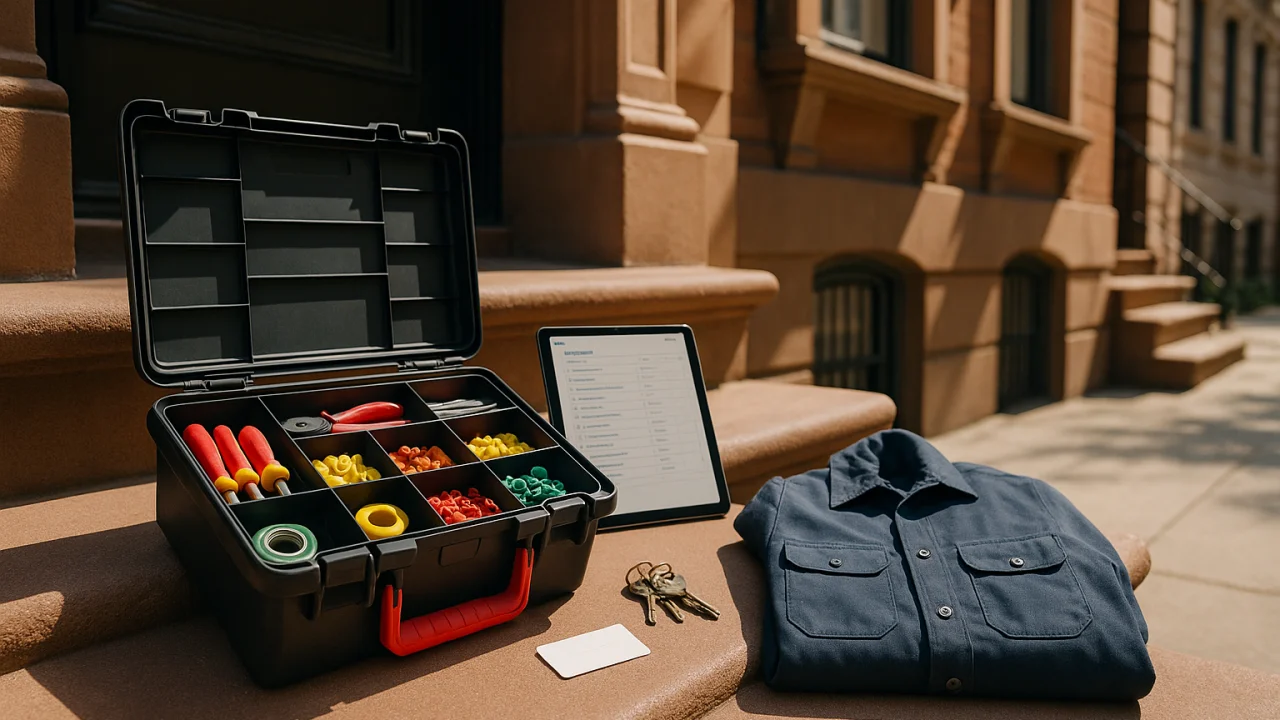
- Resource sharing: Leave a few spare tools or a checklist with a building superintendent (with permission) so they can diagnose common issues and recommend you confidently.
Make it easy for partners to recommend you
- Provide short scripts or a single-sentence pitch partners can memorize. Vague suggestions get lost; a precise phrase increases the chance of a referral.
- Use physical referral cards with a simple call-to-action and a unique referral code to track origin — codes can be numbers or colored stickers, not words, to keep things simple for older partners or those who favor physical items.
- Supply a tidy, non-intrusive sign or sticker for partner windows saying "Recommended here" but keep it graphic/blank where text would be confusing — rely on partner trust rather than flashy claims.
Host short, useful partner events
Instead of selling, teach. A 30-minute midday demo on preventing apartment odors or a quick demo on basic electrical safety for shop owners positions you as an expert and creates a reason for follow-up. Keep events informal, punctual, and genuinely helpful; partners will bring contacts who already trust them.
Leverage micro-incentives wisely
Small, consistent incentives beat large, occasional discounts. Examples: a $10 credit for the referring partner after three completed jobs, free minor maintenance during slow months, or priority scheduling for a building that sends multiple clients. Track costs and results so incentives stay profitable.
Track and iterate
- Record how each client heard about you and which partner referred them.
- Measure conversion rates (referral → booked job) and lifetime value for each partner type.
- Drop or change tactics that don’t produce results after two to three months; double down on what works.
Maintain relationships with simple rituals
Don’t wait for a problem to reach out. Send short, occasional notes of appreciation, deliver small thank-you treats after a busy season, or offer a quick free inspection before winter. These rituals keep you top of mind and make partners comfortable recommending you.
Respect neighborhood culture
New York neighborhoods are diverse. Show up with humility, listen to partner concerns, and adapt offers to local customs. Small gestures — arriving on time, leaving the site tidy, and following building rules — matter more than clever marketing in tight-knit blocks.
Conclusion: Building a local referral network is deliberate, low-cost work. By mapping your micro-neighborhood, offering clear value, making referrals easy, hosting short events, using targeted incentives, and tracking results, NYC service providers can turn occasional jobs into a dependable pipeline of local clients while strengthening community relationships.